
A cooking class is one of the best ways to understand Korean food beyond simply ordering it at a restaurant.
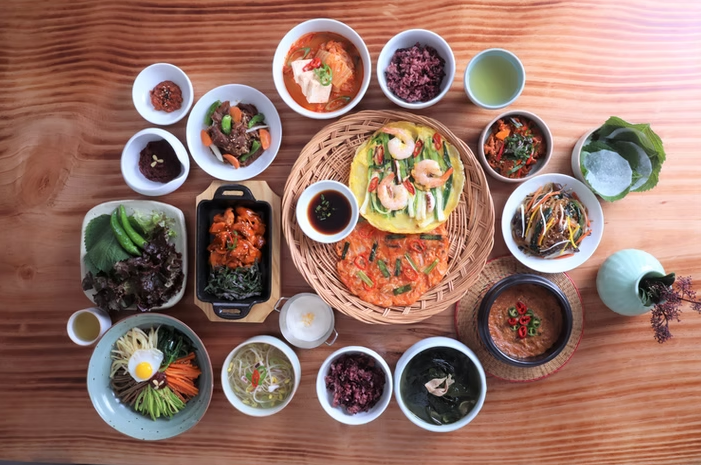
Instead of only tasting bulgogi, japchae, kimchi, or gimbap, you can learn why ingredients are prepared in a particular order, how Korean seasoning is balanced, and how several dishes are served together as one meal.
Many Korean cooking classes in Seoul are designed for international visitors. Depending on the program, you may shop at a traditional market, prepare several dishes with an English-speaking instructor, eat the meal with other travelers, and take home a recipe afterward.
This guide explains how to choose a Korean cooking class in Seoul, what to expect, how much to budget, and which current programs are suitable for foreign travelers.
Last checked: August 5, 2026
Class schedules, menus, prices, languages, age limits, and cancellation policies may change. Always confirm the latest information with the operator before booking.

🍚 Korean Cooking Classes at a Glance
| Item | What to expect |
|---|---|
| Typical duration | About 2.5–3.5 hours |
| Language | English is available at the classes featured below |
| Typical format | Chef demonstration, hands-on cooking, and a shared meal |
| Possible menus | Bulgogi, japchae, gimbap, bibimbap, jeon, kimchi, and seasonal dishes |
| Market tour | Included in selected programs |
| Dietary requests | Possible at some classes with advance notice |
| Recommended booking | As early as possible, especially for small-group programs |
| Best for | Solo travelers, couples, friends, families, and food lovers |
The three featured classes range from a limited public tourism program priced at ₩13,000 to private commercial classes costing around ₩110,000 or US$100 per person. The least expensive programs are usually offered only on selected dates and may fill quickly.
Quick Navigation
- 🥢 How to Choose the Right Korean Cooking Class
- 👩🍳 What Happens During a Korean Cooking Class?
- ⭐ Three Korean Cooking Classes for Foreign Travelers in Seoul
- 1. OME Cooking Lab: Best for a Traditional Market Experience
- 2. Seoul Cooking Club: Best for English Instruction and Dietary Options
- 3. Seoul Hallyu K-Food Cooking Class: Best Low-Cost Option
- 📊 Which Class Should You Choose?
- 🌶️ Food Allergies and Dietary Restrictions
- 🧒 Can Children Join a Korean Cooking Class?
- 👕 What to Wear and Bring
- 📷 Photography Etiquette
- 🗓️ How Far in Advance Should You Book?
- 🚫 Common Booking Mistakes
- 🧭 Suggested Half-Day Plans
- ✅ Korean Cooking Class Checklist
- ❓ Frequently Asked Questions
- 1. OME Cooking Lab: Best for a Traditional Market Experience
🥢 How to Choose the Right Korean Cooking Class
Not every cooking class offers the same experience.
Before booking, decide whether your main priority is:
- Learning several Korean home-style dishes
- Exploring a traditional market
- Making kimchi
- Joining a small English-speaking class
- Finding vegetarian, vegan, halal-friendly, or gluten-free options
- Keeping the cost low
- Choosing a class close to other sightseeing locations
The right choice depends more on the class format than on the number of dishes listed.
Option 1: Market Tour and Cooking Class
Choose this type when you want to learn about Korean ingredients as well as cooking.
A market-based class may include:
- Meeting the instructor near a subway station
- Walking through a traditional food market
- Learning about vegetables, sauces, herbs, seafood, or seasonal ingredients
- Returning to the cooking studio
- Preparing several dishes
- Eating the completed meal together
This format usually takes longer than a studio-only class, but it gives more context about how Koreans shop and choose ingredients.
Option 2: Full Korean Meal Cooking Class
A studio-based meal class focuses more directly on cooking.
You may prepare a combination such as:
- Jeon or another appetizer
- Bulgogi, japchae, gimbap, or bibimbap
- Banchan
- Soup or stew
- A traditional drink or dessert
This type is convenient when you have a limited sightseeing schedule and want a structured English-language experience.
Option 3: Kimchi-Making Class
A kimchi class focuses on fermentation, seasoning, and vegetable preparation.
Depending on the program, you may learn to make:
- Napa cabbage kimchi
- Seasonal kimchi
- White kimchi
- Cucumber kimchi
- Dishes that use fermented kimchi
Kimchi programs range from short museum experiences to longer classes that include a market visit and a meal.
Option 4: Public or Tourism-Supported Program
Seoul occasionally offers low-cost cultural programs specifically for international visitors.
These programs can provide excellent value, but they usually have:
- Limited dates
- Small participant numbers
- Application periods
- Confirmation emails
- Menus chosen by the organizer
- Less flexibility than a private commercial class
Do not build your entire itinerary around one until you have received final confirmation.
👩🍳 What Happens During a Korean Cooking Class?
The exact process differs, but most hands-on classes follow a similar sequence.
1. Introduction and Menu Explanation
The instructor introduces the dishes and explains the ingredients.
This is often where you learn about:
- Gochujang
- Doenjang
- Soy sauce
- Sesame oil
- Perilla oil
- Fermented ingredients
- Korean cutting methods
- The relationship between rice, soup, and banchan
2. Chef Demonstration
The instructor demonstrates techniques before participants begin.
Watch carefully when the instructor explains:
- Knife handling
- Sauce proportions
- Heat control
- Vegetable preparation
- Meat marinades
- How to roll gimbap
- How to season japchae
- How to mix bibimbap ingredients
3. Hands-On Cooking
Some classes give each participant an individual workstation.
Others divide the group into pairs or teams. In a collaborative class, one person may prepare vegetables while another cooks meat or mixes sauce.
Check the description when individual cooking is important to you.
4. Shared Meal
Most full cooking classes end with participants eating what they prepared.
This is part of the experience rather than a separate restaurant meal. Avoid eating a large meal immediately before class unless the operator says that only tasting portions will be served.
5. Recipe or Take-Home Item
Some operators provide printed or digital recipes.
Kimchi classes may also allow participants to package what they made, but storage and transportation rules vary. Ask whether the food can be carried safely for the rest of your sightseeing day.
⭐ Three Korean Cooking Classes for Foreign Travelers in Seoul
1. OME Cooking Lab: Best for a Traditional Market Experience
OME Cooking Lab offers a market-to-table experience in Dongdaemun.
Its regular program begins with a walking tour near Jegi-dong, including traditional markets such as Gyeongdong Market and Yangnyeong Market. Participants then prepare Korean dishes and eat the completed meal together. OME’s official class information currently lists regular Korean home-cooking and kimchi master classes at ₩110,000 per person.
Why Choose OME Cooking Lab?
This is the strongest option for travelers who want more than a studio lesson.
The market tour helps explain:
- Where Korean ingredients come from
- How seasonal produce is selected
- How ingredients are used in home cooking
- The role of herbs, fermented products, and market vendors
- How Korean meals are built from several dishes
OME describes its experience as a journey from traditional market to table, using seasonal ingredients and Korean culinary culture as part of the lesson.
Current Regular Class Format
The current official page lists:
| Item | Details |
|---|---|
| Class types | Korean Home Cooking Class and Kimchi Master Class |
| Price | ₩110,000 per person |
| Meeting point | Jegi-dong Station, Exit 2 |
| Market tour | 10:00–11:00 |
| Cooking | Approximately 11:00–12:30 |
| Lunch | Approximately 12:30–13:00 |
| Group size | Usually up to 8–10 participants |
| Minimum age | Generally 13 and older for group classes |
| Dietary requests | Allergy, vegetarian, and halal-related requests should be made in advance |
OME notes that the class involves walking, knives, and heat. Its official guidance recommends leaving large luggage at the hotel and contacting the operator in advance about allergies or special dietary needs.
Possible Menus
The exact menu depends on the class.
Examples shown on OME’s official pages include:
- Bulgogi
- Japchae
- Kimchi jjigae
- Seafood pancake
- Seasonal banchan
- Kimchi
- Suyuk in selected kimchi programs
Menus may change with seasonal ingredients, so confirm the exact dishes before booking.
Practical Information
Location: Dongdaemun-gu, Seoul
Nearest subway: Jegi-dong Station, Line 1
Best for: Market lovers, food-focused travelers, and visitors who want cultural explanation as well as cooking
Check the latest menu, price, and availability through official OME Cooking Lab Korean Cooking Class page
Local Tip
Wear comfortable walking shoes.
The market portion is part of the class, so this is not the best option for a day when you are carrying a suitcase or planning to wear formal shoes.
2. Seoul Cooking Club: Best for English Instruction and Dietary Options
Seoul Cooking Club is located in central Jongno, close to Jonggak Station.
Its official site currently offers a 2.5-hour Korean cooking class conducted in English by Korean chefs. The class includes a three-course meal and can accommodate vegetarian, vegan, pescatarian, gluten-free, and halal-related requests when arranged in advance.
Why Choose Seoul Cooking Club?
This is a practical option for first-time visitors who want:
- English instruction throughout the class
- A central sightseeing location
- Several daily time choices
- A structured full-meal experience
- Clear dietary-request options
- Online payment and reservation
The studio is near Jonggak Station and within easy reach of areas such as Insadong, Ikseon-dong, and central Jongno.
Current Class Format
| Item | Details |
|---|---|
| Duration | 2 hours 30 minutes |
| Language | English |
| Price | US$100 per person |
| Sessions | Brunch, lunch, and early dinner |
| Brunch | 10:00 AM–12:30 PM |
| Lunch | 1:00 PM–3:30 PM |
| Early dinner | 4:00 PM–6:30 PM |
| Location | Jongno, near Jonggak Station |
| Payment | Major cards, debit cards, PayPal, and selected in-person payments |
The class currently runs three sessions from Monday through Sunday, although availability should be checked on the booking calendar.
What Might You Cook?
The daily menu varies, but the official program lists dishes such as:
- Jeon
- Gimbap
- Jeonju bibimbap
- Japchae
- Bulgogi
- Kimchi
- Korean egg roll
- Seasonal banchan
- Sikhye
- Korean tea and traditional sweets
Participants prepare selected dishes and eat a full meal together. Not every listed dish is necessarily cooked during every class.
Dietary Options
Seoul Cooking Club specifically states that it can prepare options for:
- Vegetarian travelers
- Vegan travelers
- Pescatarians
- Gluten-free diets
- Halal-related requests
Dietary requirements must be added during booking so the chef can prepare appropriate ingredients. This should not be treated as a guarantee against cross-contact for severe allergies unless the operator confirms it directly.
Children and Families
The standard class is offered to parents with children aged 16 and older. Families with younger children are advised to contact the studio about a separate family booking.
Practical Information
Location: 7F, 86 Jongno, Jongno-gu, Seoul
Nearest subway: Jonggak Station, Exit 12
Best for: English-speaking beginners, travelers with dietary preferences, and visitors sightseeing in central Seoul
Check the current schedule through official Seoul Cooking Club booking page

Local Tip
This location fits easily into a Jongno sightseeing day.
You can schedule the class before or after visiting Insadong, Ikseon-dong, Gyeongbokgung Palace, or Cheonggyecheon Stream. Check travel time rather than assuming every attraction is only a few minutes away.
3. Seoul Hallyu K-Food Cooking Class: Best Low-Cost Option
The Seoul Hallyu K-Food Cooking Class is a small public tourism program for foreign visitors.
The official Visit Seoul program page lists a professional-chef demonstration, hands-on cooking, tasting, and networking. The menu includes gimbap, bulgogi, and japchae, with English and Korean instruction.
Program Details Listed by Visit Seoul
| Item | Details |
|---|---|
| Eligibility | Foreign tourists visiting Seoul |
| Frequency | Listed as once a month |
| Venue | Okitchen Studio in Gangnam |
| Menu | Gimbap, bulgogi, and japchae |
| Language | English and Korean |
| Capacity | 8 participants |
| Fee | ₩13,000 |
| Format | Demonstration, hands-on cooking, tasting, and networking |
The published information was last edited in September 2025, so travelers should verify whether new 2026 sessions are currently accepting applications before adding the class to an itinerary.
Why Choose This Program?
Its greatest advantage is price.
At ₩13,000 on the listed program page, it is much less expensive than most commercial cooking classes. However, it also has only eight spaces and operates on limited dates. Applicants receive a confirmation request before participation is finalized.
Ingredients and Dietary Restrictions
The listed recipes include ingredients such as:
- Beef
- Eggs
- Carrots
- Shiitake mushrooms
- Onion
- Burdock root
- Pickled radish
- Spinach
Participants with allergies, vegan diets, or other restrictions are instructed to contact the organizers in advance.
Practical Information
Location: Okitchen Studio, Gangnam-gu
Best for: Budget travelers with flexible dates
Main limitation: Limited schedule and competitive availability
Check the current application status through official Visit Seoul K-Food Cooking Class page

Booking Tip
Submitting an application does not necessarily mean that the booking is complete.
Read the confirmation email carefully and respond within the required period. The official instructions state that participation is finalized only after the selected applicant replies to the confirmation request.
📊 Which Class Should You Choose?
| Class | Best feature | Duration | Listed price | Best for |
|---|---|---|---|---|
| OME Cooking Lab | Traditional market tour | About 3 hours | ₩110,000 | Market and cultural immersion |
| Seoul Cooking Club | English instruction and dietary options | 2.5 hours | US$100 | Convenient full-meal class |
| Seoul Hallyu K-Food Class | Low participation fee | Varies by program | ₩13,000 | Flexible budget travelers |
Prices and availability were checked through the operators’ or Visit Seoul’s official pages and may change after publication.
Choose OME Cooking Lab When:
- A market tour is important
- You want to learn about ingredients
- You prefer home-style food or kimchi
- You do not mind walking
- You have around half a day available
Choose Seoul Cooking Club When:
- You want clear English instruction
- You need dietary alternatives
- You want several daily time options
- You are sightseeing around central Jongno
- You prefer a polished studio setting
Choose the Seoul Hallyu Program When:
- You are traveling on a limited budget
- Your dates are flexible
- You can apply in advance
- You are comfortable waiting for confirmation
- The announced menu fits your diet
🌶️ Food Allergies and Dietary Restrictions
Never assume that a class is safe for an allergy simply because it offers a vegetarian or gluten-free option.
Korean cooking may use:
- Soy sauce
- Wheat
- Sesame oil
- Sesame seeds
- Peanuts or other nuts
- Eggs
- Seafood
- Fish sauce
- Fermented shrimp
- Beef or pork stock
- Shared pans and utensils
Before booking, send the operator a clear message that includes:
- The ingredient you cannot eat
- Whether the issue is an allergy, intolerance, religious restriction, or preference
- Whether cross-contact is dangerous
- Whether shared utensils are acceptable
- The name and date of your class
A vegetarian dish may still contain fish sauce, anchovy stock, or fermented seafood.
A halal-friendly option may mean that pork and alcohol are removed, but it does not automatically prove that the kitchen or meat supplier is formally halal-certified. Confirm the exact arrangement directly with the operator.
Travelers who need translation support can read 5 Essential Apps You Must Download Before Traveling to South Korea
🧒 Can Children Join a Korean Cooking Class?
Age rules differ significantly.
OME’s group class guidance generally limits participation to guests aged 13 and older because the program uses knives, heat, and includes a market walk. Families with younger children are advised to request a private class.
Seoul Cooking Club’s standard family policy allows parents to attend with children aged 16 and older. Families with younger children need to ask about a separate family arrangement.
The Visit Seoul K-Food program allows minors only when accompanied by a guardian and states that solo participation by minors is not permitted.
Before paying, confirm:
- Minimum age
- Whether one adult must book per child
- Whether the child receives an individual cooking station
- Whether the class uses open flames
- Whether strollers can enter the studio
- Whether a waiting area is available
👕 What to Wear and Bring
Wear Closed-Toe Shoes
Hot liquids, knives, and dropped ingredients are possible in any kitchen.
Avoid open sandals when possible.
Wear Comfortable Clothes
Choose clothes that allow you to:
- Stand for several hours
- Move your arms comfortably
- Wash your hands frequently
- Walk through a market
- Work near heat and cooking smells
Tie Back Long Hair
Bring a hair tie when needed.
Avoid Large Luggage
Cooking studios may have limited storage.
OME specifically advises guests not to bring large luggage because its program includes a one-hour market walk.
Bring a Small Bag
Useful items include:
- Phone
- Portable charger
- Water
- Booking confirmation
- Allergy card
- Hair tie
- Small container only when the operator recommends one
Do not assume that every class allows leftovers to be taken away.
📷 Photography Etiquette
Cooking classes are naturally photogenic, but ask before filming.
Good subjects include:
- Ingredients at your own station
- The chef’s demonstration
- Your finished dishes
- The market
- Your group meal
Avoid photographing:
- Other participants without permission
- Children
- Staff documents
- Payment screens
- Private messages
- A chef’s written materials when copying is restricted
Do not hold up the class by filming every step.
🗓️ How Far in Advance Should You Book?
Small classes can fill earlier than expected.
Book early when:
- You are visiting during spring or autumn
- You need a specific dietary option
- You are traveling with children
- You need a weekend session
- You want a market tour
- You have only one available day
Seoul Cooking Club currently accepts bookings up to 12 hours in advance when space remains, but its cancellation policy generally requires at least 48 hours’ notice for changes without losing payment.
OME requests advance communication for dietary needs and special classes.
Public tourism programs may have separate application and confirmation periods, so read their instructions rather than assuming standard instant booking.
🚫 Common Booking Mistakes
Booking Without Checking the Menu
A “Korean cooking class” could mean kimchi, street food, home cooking, royal cuisine, or desserts.
Check the actual dishes before paying.
Assuming Every Participant Cooks Every Dish
Some classes use team cooking.
Ask whether the experience is individual, paired, or collaborative.
Forgetting to Mention Allergies
Do not wait until the class begins.
Ingredients are often prepared before participants arrive.
Scheduling Another Meal Immediately Afterward
Most full classes include enough food to replace lunch or dinner.
Carrying Kimchi All Day
Freshly made kimchi can leak, develop pressure, and produce a strong smell.
Ask about packaging and storage before planning museums, shopping, or a flight afterward.
Arriving Late
Market tours may leave the meeting point at a fixed time.
Allow extra travel time and save the address in NAVER Map before departure.
🧭 Suggested Half-Day Plans
Market and Home-Cooking Morning
09:45  Arrive at Jegi-dong Station
10:00  Traditional market tour
11:00  Korean cooking class
12:30  Shared lunch
13:00  Class ends
This structure matches OME’s listed morning schedule, although the exact finishing time should be confirmed with the operator.
Jongno Cooking and Sightseeing Day
10:00  Seoul Cooking Club brunch class
12:30  Class ends
13:00  Walk through Insadong or Ikseon-dong
15:00  Visit a palace, museum, or traditional café
Seoul Cooking Club lists a 10:00 AM brunch session ending at 12:30 PM near Jonggak Station.
Gangnam K-Food Activity
Morning      Explore Gangnam or a nearby attraction
Class time   Join the confirmed K-Food program
After class  Continue sightseeing after tasting the completed meal
The Hallyu K-Food class runs only on selected dates, so base the rest of the itinerary on the confirmed session rather than an unverified monthly assumption.
✅ Korean Cooking Class Checklist
Before booking:
- Check the exact menu.
- Confirm the teaching language.
- Check whether the class is hands-on.
- Ask whether cooking is individual or shared.
- Confirm the total duration.
- Check the meeting point.
- Review the age limit.
- Report allergies and dietary restrictions.
- Read the cancellation policy.
- Confirm whether the meal is included.
- Check whether recipes are provided.
- Ask whether food can be taken away.
Before leaving your accommodation:
- Save the address in NAVER Map.
- Carry the booking confirmation.
- Wear comfortable clothes and closed-toe shoes.
- Tie back long hair.
- Leave large luggage at the hotel.
- Arrive 10–15 minutes early.
- Avoid eating a large meal beforehand.
- Bring a clearly written allergy card when needed.
❓ Frequently Asked Questions
Are Korean Cooking Classes in Seoul Taught in English?
Some are.
The three programs featured in this guide provide English instruction or English support. Language availability should still be confirmed for the exact date because instructors and special programs may vary.
Do I Need Cooking Experience?
No.
Most tourism-oriented classes are designed for beginners. You should still tell the instructor when you are uncomfortable using a knife, gas burner, or unfamiliar cooking equipment.
Can Solo Travelers Join?
Yes, group classes are suitable for solo travelers when the selected date has availability.
You may cook individually, with a partner, or as part of a team depending on the operator.
Is the Meal Included?
The featured full-length commercial classes include eating the food prepared during the session. OME lists lunch after cooking, while Seoul Cooking Club describes the experience as a three-course meal. The Visit Seoul program also includes tasting.
Are Vegetarian Classes Available?
Vegetarian options are available at selected operators.
OME asks participants to report vegetarian or halal-related needs in advance. Seoul Cooking Club lists vegetarian and vegan alternatives. Availability depends on the specific menu and advance preparation.
Can I Make Kimchi?
Yes.
OME currently lists a Kimchi Master Class. Other museums, cultural centers, and temporary tourism programs may also offer kimchi experiences, but schedules should be checked directly because they can be seasonal or event-based.
Can I Take the Food Back to My Hotel?
Sometimes.
This depends on the dish, packaging, temperature, and class policy. Cooked food and fresh kimchi should not be carried for long periods without appropriate storage.
Which Class Is Best for a First Visit?
For a broad cultural experience, choose a market-tour class.
For easy English communication and dietary flexibility, choose a structured studio class.
For the lowest price, check whether a public tourism program is available on your travel date.
✨ Final Thoughts
A Korean cooking class gives you something that a restaurant meal cannot: an understanding of how the food is prepared.
You learn how sauces are balanced, how vegetables are cut, how several dishes are timed together, and why Korean meals are often served with rice, soup, and multiple side dishes.
The best class is not necessarily the one with the longest menu.
Choose the experience that fits your interests:
- A traditional market tour for local food culture
- A studio class for structured English instruction
- A kimchi workshop for fermentation
- A public cultural program for lower cost
Confirm the menu, language, dietary arrangements, and final booking before the day of the class.
For more everyday Korean experiences, return to Want to Hang Out Like a Real Korean?