
Changnyeong rewards travelers who plan around ecology rather than city sightseeing. Upo Wetland is the anchor: an ancient inland wetland of open water, reeds, willow habitat, and seasonal birdlife. The county also contains Gaya-period tombs, Hwawangsan hiking, and Bugok hot-spring facilities, but these are too dispersed for a rushed single day.

Build the trip around Upo’s natural rhythm
Early morning offers softer light, quieter paths, and better chances of observing birds. Late afternoon is another good period, but the final bus and closing time of the ecology center can limit an independent traveler. Midday is practical for the indoor exhibition, especially in summer heat.
Arriving without a car
Changnyeong Intercity Bus Terminal is the usual gateway, but Upo Wetland lies outside the town center. Local bus frequency can be limited and routes may not align with arrival times. Check the current connection in a Korean map app and carry the address in Korean. A taxi is the most reliable final transfer; arrange a pickup time or obtain a local taxi number before beginning a long walk.

How to spend a full day at Upo
- Begin at Upo Wetland Ecology Center to understand habitats, seasonal wildlife, and route choices. The center normally has a weekly closed day even though outdoor areas may remain accessible.
- Choose a walking course that matches daylight and fitness. Short sections can take about 30 minutes, while extended wetland routes require several hours.
- Carry lunch or confirm a nearby restaurant before entering a long trail. Food options are not continuous around the wetland.
- Return to an observation area for late-day light, then leave enough time for the pre-arranged taxi or bus.
Wildlife etiquette is not optional
- Stay on marked roads, decks, and observation areas; protected habitat is not a shortcut.
- Keep voices low and silence phone speakers.
- Use a zoom lens rather than approaching birds or nests.
- Do not feed wildlife, collect plants, or leave food waste.
- Avoid drones. Their noise and movement can disturb birds and may violate local restrictions.
Season-by-season expectations
Spring brings fresh vegetation and active birdlife, while summer is intensely green but humid, hot, and exposed. Autumn reeds and clear air suit long walks. Winter can be excellent for migratory birds, yet cold wind and icy surfaces require proper clothing. Mist is never guaranteed; forecast, humidity, and arrival time determine the atmosphere.
A second day for history or mountains
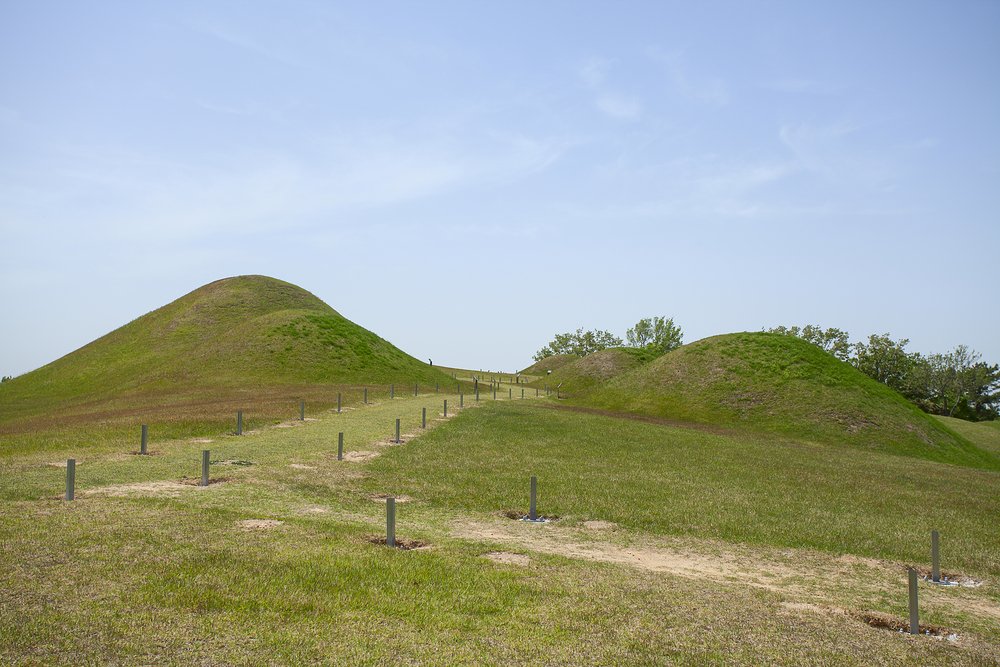
Use the next morning for the Changnyeong Gyo-dong and Songhyeon-dong Tumuli, which connect the county to the history of the Gaya confederacy. Combine them with heritage sites in Changnyeong-eup rather than crossing immediately to the opposite side of the county. This creates a coherent archaeology-focused half day.
Hwawangsan is a separate hiking plan. Its fortress landscape and autumn grasses are attractive, but trail difficulty, heat, ice, and wildfire-control periods must be checked. Do not attempt a mountain route after an extended wetland walk unless daylight and fitness allow it.

Bugok hot springs: useful, but verify the facility
Bugok is known for hot-spring water, but individual hotels, pools, and bathing facilities have their own rules and operating status. Confirm that the specific venue accepts day visitors, check swimwear or bathing requirements, and never rely only on an old blog post. Travelers with cardiovascular conditions, pregnancy, or heat sensitivity should follow medical guidance and limit prolonged hot bathing.
Food and overnight strategy
Changnyeong is associated with onions, garlic, beef dishes, and market food, but opening hours can be earlier and less predictable than in Seoul. Staying in Changnyeong-eup makes buses, taxis, and dinner easier. Accommodation near Upo is better for sunrise photography only when transport and meals have been arranged in advance.

Official information
- VISITKOREA: Changnyeong Upo Wetland
- VISITKOREA: Changnyeong travel course
- Changnyeong County: Upo Wetland
Information reviewed on August 25, 2026. Ecology-center hours, buses, trail access, wildlife conditions, and hot-spring operations can change.
Continue planning
Compare nature destinations in our regional guide collection and prepare offline navigation with our travel apps guide.