
Sokcho is where mountain trails, East Sea beaches, fishing neighborhoods, and energetic food markets meet. It works equally well as a hiking base or a relaxed coastal escape. This practical guide explains how to reach Sokcho, plan one or two days, choose where to stay, and combine Seoraksan National Park with the city’s best seaside stops.

Why visit Sokcho?
Sokcho offers unusually varied experiences within a short trip: hiking and temples in Seoraksan, sunrise walks by the sea, harbor views, a hand-pulled raft to Abai Village, and market food in the center. The city is popular throughout the year, although each season changes what you can comfortably do.
How many days?
One day is enough for either Seoraksan or a coastal city route. Two days are much better if you want both. Add another night for a longer mountain hike, slower beach time, or an early sunrise without rushing back to Seoul.
Getting to Sokcho
Sokcho has no railway station. Express and intercity buses connect it with Seoul and other cities. Confirm whether your bus uses the Express Bus Terminal or Intercity Bus Terminal because they are in different parts of town. Road congestion can increase travel time on weekends, holidays, and autumn foliage dates.
Getting around
Local buses connect the terminals, central market, beaches, and Seoraksan. Services to the national park can become crowded, so start early. Taxis are convenient for shorter city journeys. Check the final return bus, save destinations in Korean, and use a Korean map application for current routes.
Essential places
- Seoraksan National Park: hiking routes, rocky peaks, forest scenery, Sinheungsa Temple, and seasonal foliage.
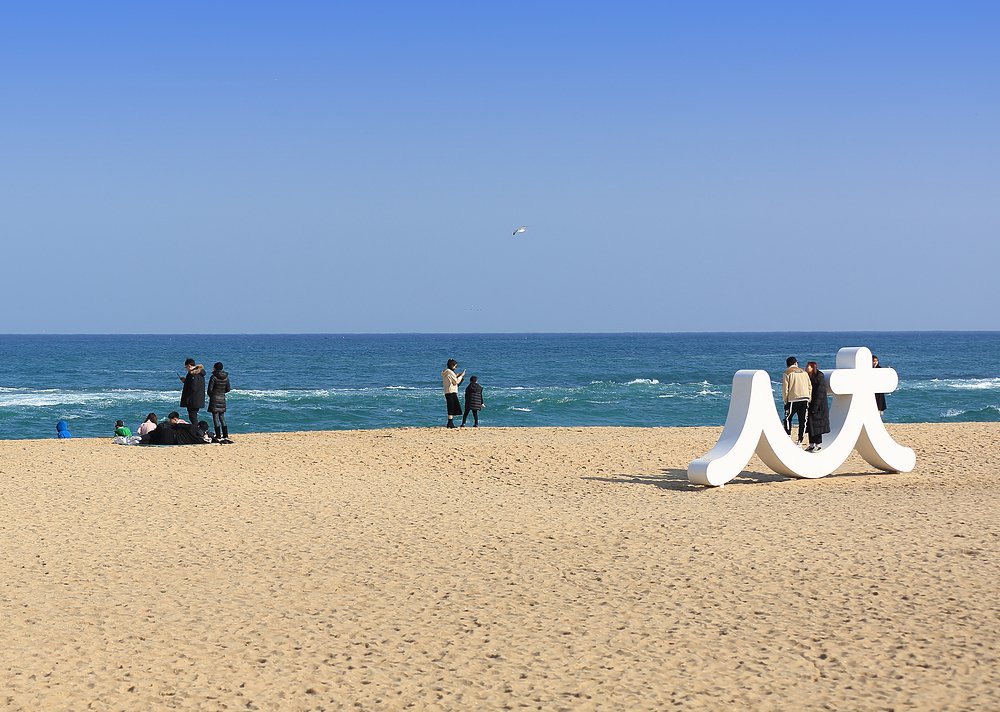
- Sokcho Beach: a broad, accessible beach near the express bus terminal.
- Yeonggeumjeong Pavilion: a compact coastal viewpoint known for waves and sunrise.
- Sokcho Tourist & Fishery Market: a busy stop for snacks, seafood, and local specialties.
- Abai Village and Gaetbae: a neighborhood reached by a small hand-pulled raft.
- Cheongcho Lake: an easy waterside walk with city and mountain views.

Planning Seoraksan
Choose a route that matches your fitness, weather, daylight, and trail conditions. Easy walks near the entrance are very different from long summit routes. Wear proper footwear, carry water and layers, and never assume the cable car or a trail will operate during strong wind or poor weather. Check official notices before departure.
One-day itinerary

- Take an early bus to Seoraksan National Park.
- Choose a realistic trail and visit Sinheungsa near the entrance.
- Return to Sokcho Tourist & Fishery Market for a late lunch.
- Cross to Abai Village by gaetbae.
- Finish at Yeonggeumjeong or Sokcho Beach near sunset.
Two-day itinerary
Devote day one to Seoraksan and rest in the evening. On day two, walk around Cheongcho Lake, explore the market and Abai Village, then continue to Yeonggeumjeong and Sokcho Beach. Reverse the order if mountain weather is better on the second day.

What to eat
Popular choices include dakgangjeong, stuffed squid, fresh and grilled seafood, red snow crab, and Abai sundae. Markets can be crowded, and many portions are intended for sharing. Compare posted prices, confirm whether food is dine-in or takeaway, and ask about waiting times before ordering.
Where to stay
Stay near Sokcho Beach and the express terminal for convenient coastal walks and transport. Central Sokcho is useful for the market and harbor, while accommodation nearer Seoraksan suits travelers focused on early hiking. Check the distance to the exact bus stop rather than relying only on the neighborhood name.
Best time and practical tips
Spring and autumn are excellent for hiking, but autumn weekends bring major crowds. Summer suits beach trips but is hot, humid, and affected by rain. Winter provides clear coastal scenery but requires warm clothing and careful trail planning. Keep a flexible plan when wind, rain, snow, or wildfire restrictions affect mountain access.
Continue planning
Find more regional destinations in our Beyond Seoul & Busan collection and review our South Korea travel tips.