
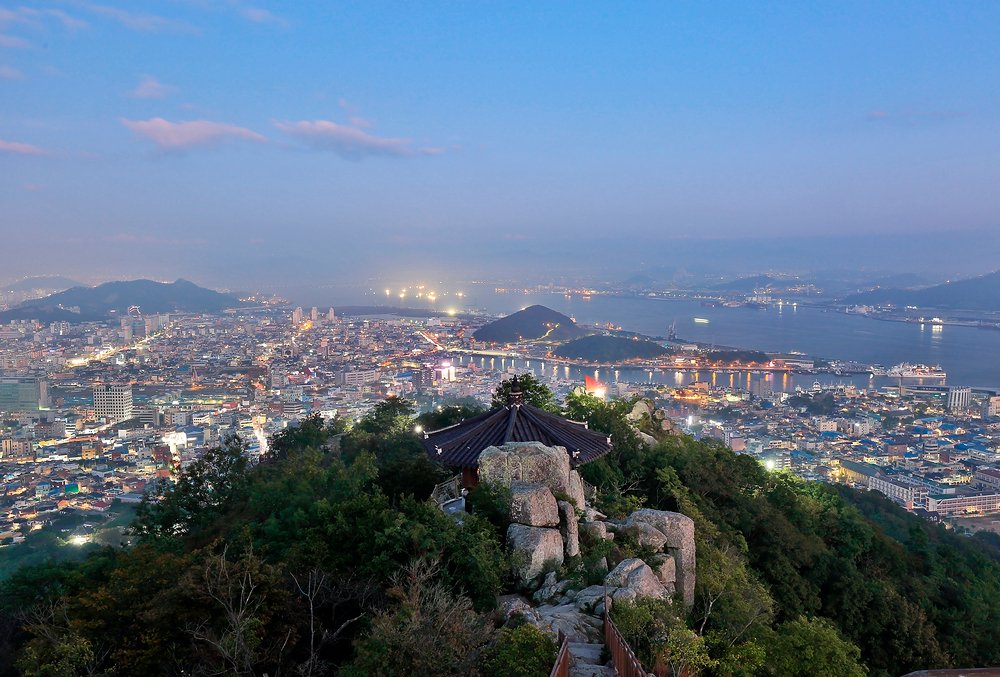
Mokpo is not simply a stop before an island ferry. The compact port city combines a walkable modern-history district, a low mountain above the old downtown, seafood markets, and long views across the islands of Korea’s southwest coast. This guide is designed for independent international travelers who want a realistic route rather than a checklist of disconnected sights.

Is Mokpo right for your trip?
Choose Mokpo if you enjoy maritime history, coastal scenery, small museums, and neighborhoods that feel lived-in after day-trippers leave. It suits travelers who can spend at least one night. A rushed day trip from Seoul is possible by KTX, but the long return journey removes the best part of the visit: sunset over the harbor and an unhurried dinner.
Arriving by train and choosing a base
Mokpo Station is the most useful arrival point for first-time visitors. Direct and connecting trains use the Honam Line; search the current timetable with KORAIL before fixing your itinerary. The old downtown, Modern History Museum, Yudalsan trail entrances, and several restaurants are close enough to combine by walking and short taxi rides. The intercity bus terminal is farther east, so confirm whether your accommodation is closer to the station or the terminal before booking.
For one night, stay between Mokpo Station and the old downtown. This reduces transfers and makes an early start easy. Peace Square has a newer waterfront atmosphere and more modern hotels, but it is separated from the historic center; it works better for a second night or for travelers using taxis.
A one-day route that avoids backtracking
- 09:00 – Mokpo Modern History Museum No. 1: begin with the former Japanese consulate building to understand how Mokpo grew as an international port. Check the museum’s closing day before visiting.
- 10:30 – Old downtown and Sihwa Alley: walk through the hillside lanes slowly. These are residential streets, so keep voices low and avoid photographing people or house interiors without permission.
- 12:00 – Lunch near the station or port: choose a restaurant that clearly displays prices. Mokpo specialties include octopus, croaker, crab dishes, and hongeo, but fermented skate has a powerful aroma and is best ordered only when everyone in the group wants to try it.
- 13:30 – Yudalsan: use the lower viewpoints for an easier visit or allow additional time for steeper paths. In heat, rain, or strong wind, shorten the climb.
- 16:00 – Marine Cable Car: ride only if visibility is good. The route links the city, Yudalsan area, and Gohado side; decide whether to make a round trip or stop for the coastal walk before buying.
- 18:00 – Harbor sunset and dinner: finish near North Port or return toward the old downtown. Sunset time changes considerably by season.

Adding a second day: Gatbawi and the museum district
Use day two for eastern Mokpo rather than repeating the old downtown. Start at Gatbawi Culture Town, where the National Maritime Museum, Natural History Museum, and Gatbawi waterfront are grouped in one area. The museums make this a useful bad-weather plan, while the floating pedestrian deck provides a relaxed coastal walk when conditions are calm.
The Natural History Museum normally operates during daytime hours and closes on designated holidays; its official listing provides current admission and last-entry information. Families should allow more time than couples because the fossil and local-history displays are extensive. After the museums, continue to Peace Square for the waterfront, cafés, and evening atmosphere.
Using the Marine Cable Car wisely
The cable car is Mokpo’s signature paid attraction, but it should not control the entire itinerary. Operations can pause because of coastal wind, inspections, or poor weather. Check the official notice on the morning of your visit, then build a backup plan around Yudalsan, the old town, or the museums. Standard and glass-floor cabins offer the same landscape; choose the glass cabin only if the floor view matters to you.
Gohado is more than a place to turn around. Travelers who have sufficient daylight can combine the station with the coastal deck and observatory. Wear shoes with grip, carry water, and allow time to return before the final service.

Food choices without ordering mistakes
- Hongeo samhap: fermented skate served with pork and kimchi. The flavor is intentionally intense; ask for a small portion first.
- Thin-legged octopus: preparation changes by season and restaurant. Ask whether the listed price is per person or per plate.
- Croaker and cutlassfish: often served as shared dishes. Solo travelers should confirm minimum order sizes.
- Seafood markets: agree on the total price, preparation charge, and dining-room fee before ordering.
Do not assume every famous dish is available throughout the year. Seasonal supply, fishing conditions, and market prices affect menus. If you have shellfish allergies, show a translated allergy statement because broth and side dishes may also contain seafood.
Practical transport decisions
Mokpo’s central sights are not all on one straight route. Walking works well in the old downtown, but Gatbawi, Peace Square, North Port, and Gohado require buses or taxis. NAVER Map or KakaoMap generally provides more useful local routing than relying only on Google Maps. Save the Korean names of your destination and accommodation so a driver can confirm them.
Travelers continuing to Jeju or nearby islands must treat the ferry as a separate travel day. Ferry terminals, check-in deadlines, identification requirements, weather cancellations, and vessel schedules can change. Never plan a tight same-day connection from a train to a ferry without checking the operator’s current instructions.

Weather, accessibility, and respectful travel
Spring and autumn are comfortable for walking, but coastal wind can make the temperature feel lower. Summer is humid and exposed areas offer limited shade. In winter, museums and the old downtown remain useful, while wind may affect the cable car and ferries. Parts of Yudalsan and hillside alleys include steps and steep slopes; travelers who need a step-free route should prioritize the museum district, Peace Square, and vehicle-accessible viewpoints.
Mokpo’s historic lanes are communities, not open-air sets. Stay on public paths, do not enter private yards, and keep drone or commercial photography away from residential areas unless permission has been obtained.
Official information to check before departure
- VISITKOREA: Mokpo coastal travel course
- VISITKOREA: Mokpo Natural History Museum
- Mokpo City tourism information
- KORAIL train schedules and reservations
Information reviewed on August 25, 2026. Operating hours, fares, transport schedules, and weather-related closures can change; confirm time-sensitive details with the operator before travel.
Continue planning
Compare more regional destinations in our Beyond Seoul & Busan collection, or prepare navigation and payments with our Korea travel tips.