
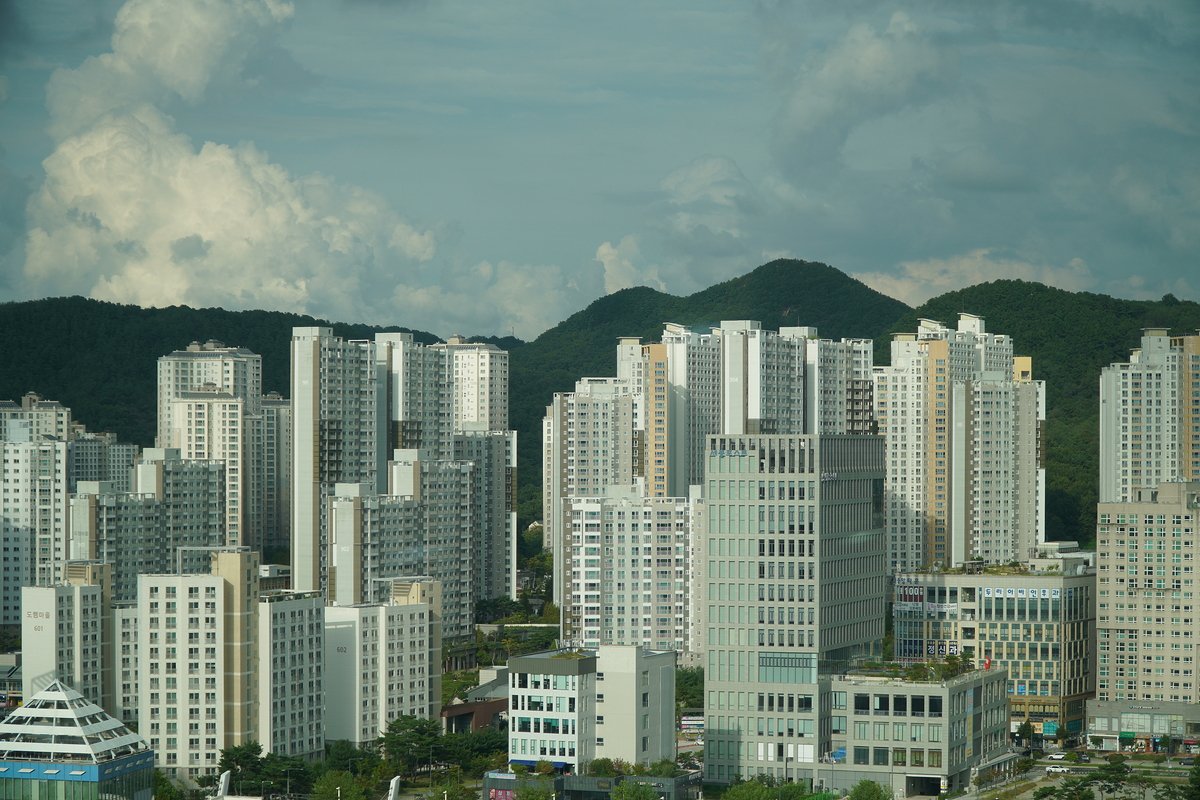
Sejong is Korea’s planned administrative city, but the most rewarding visit happens outside the government offices. The Geumgang River, a national arboretum, expansive lake park, and contemporary civic architecture form a calm day trip that feels very different from Seoul.
Who should choose Sejong?
Come for landscape design, modern architecture, Hangul-related culture, and long, level walks. Sejong is not a traditional old town and has limited tourist nightlife. Treat it as two attraction clusters—the lake-and-arboretum district and the Geumgang riverfront—rather than a place to wander without a route.
Arriving without choosing the wrong station
Osong Station is the nearest KTX hub, but it lies outside central Sejong. Continue by bus or taxi to the government-complex area. Jochiwon Station serves conventional trains and is useful mainly for northern Sejong. Save your first attraction in Korean before buying a ticket, because “Sejong” can refer to several widely separated stops. Intercity buses also use more than one stop, so confirm the terminal name and not only the city.
One-day route: greenhouse to river sunset
- Start at Sejong National Arboretum. Allow two to three hours for the conservatory and a selected outdoor garden instead of attempting every path.
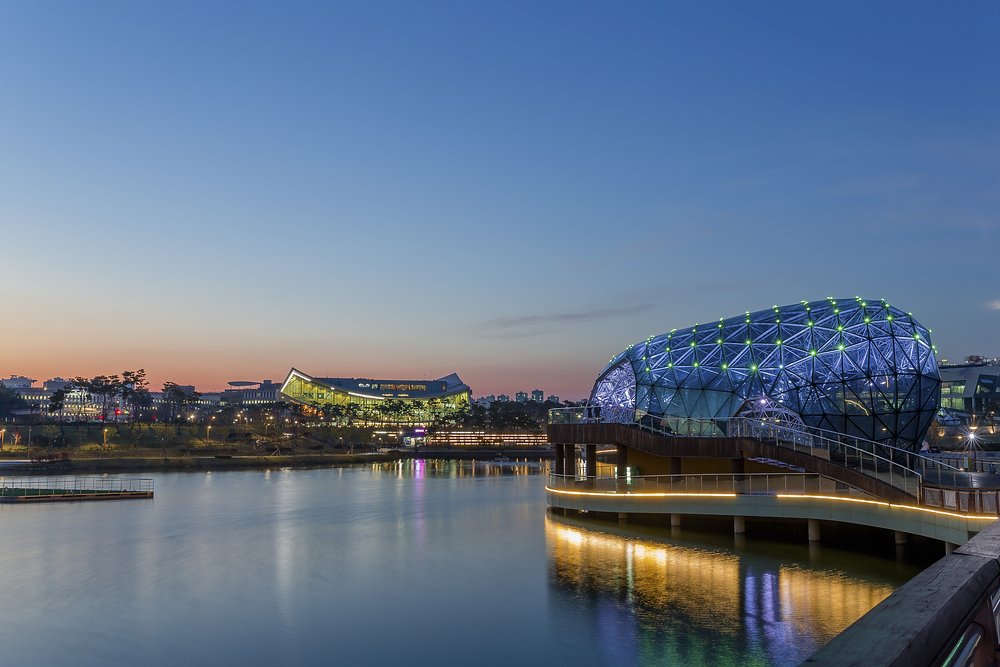
- Move to Sejong Lake Park after lunch. Walk the section around the National Library and central lake; a full circuit can consume the afternoon.
- Use a bus or taxi for the longer connection to Geumgang Pedestrian Bridge. The circular bridge is most atmospheric near sunset, but wind over the river can be strong.
- Eat in Eojin or Naseong rather than assuming every park facility will remain open into the evening.
Why transport planning matters here
Wide roads, superblocks, waterways, and large parks make map distances deceptive. Walk within each cluster, then use local transport between them. Public bicycles suit confident riders in mild weather, but registration and return rules can change. Keep enough time and taxi budget for the journey back to Osong Station, particularly after dark.
A different second day in Jochiwon
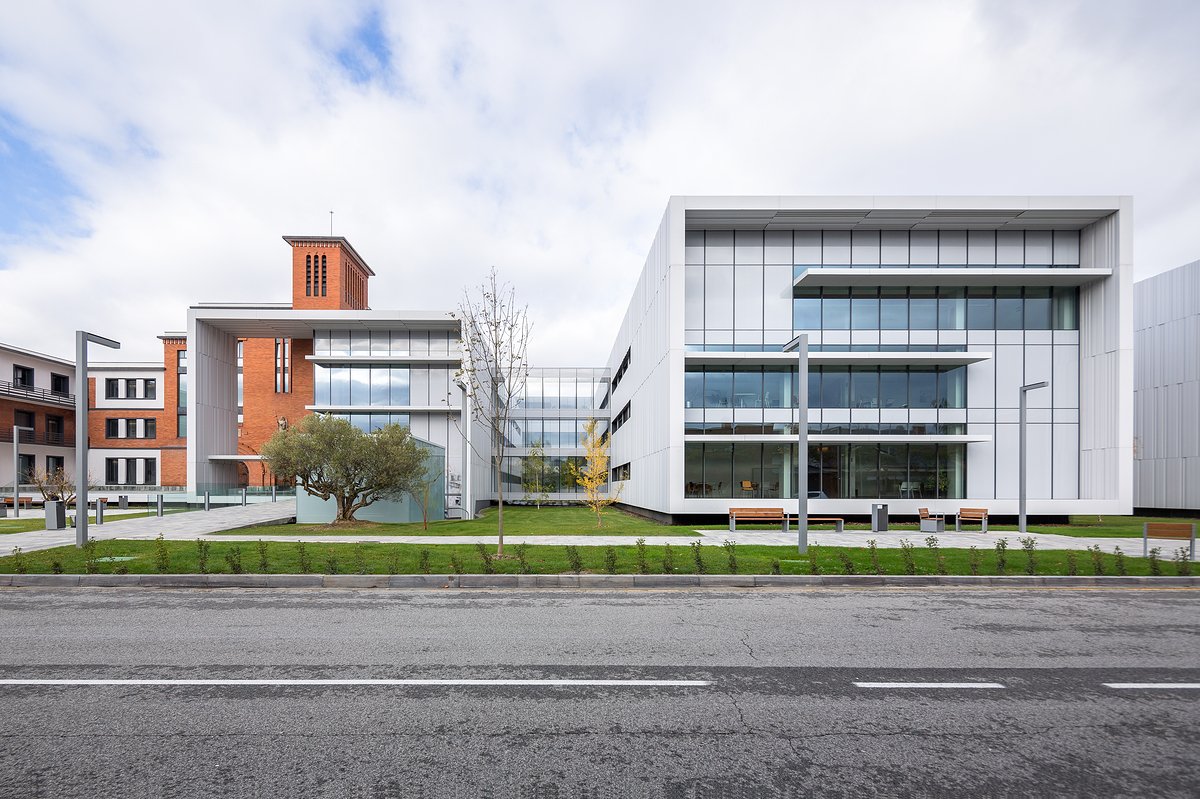
Travelers staying overnight can explore Jochiwon instead of repeating the new city. Jochiwon 1927 Art Center occupies a renovated historic facility and hosts cultural programs. Combine it with the traditional market and local streets only after checking the current exhibition calendar. The district has its own railway access and should be planned as a separate half day.
Food, weather, and accessible planning
Office districts become busy around weekday lunch, so eat before noon or after 13:00 when possible. The city does not have one must-order dish; choose a restaurant that matches your route rather than crossing town for a list item. Lake and river paths are generally level, but distances are long and summer shade is limited. Winter wind can be severe. Travelers with limited mobility should verify accessible entrances and vehicle drop-off points.

Small decisions that improve the visit
- Download NAVER Map and save the Korean names of all three main stops.
- Check the arboretum’s closed day, timed-entry notices, and conservatory access before departure.
- Carry water; convenience stores are not available on every stretch of the parks.
- Do not schedule a tight final train connection after a riverfront sunset.
- If rain is heavy, prioritize the conservatory and public cultural buildings rather than exposed lake paths.

Official information
Information reviewed on August 25, 2026. Admission, transport, exhibitions, and opening times can change; confirm time-sensitive details on the official sites.
Continue planning
Prepare navigation tools with our official app download page and compare more regional routes in Beyond Seoul & Busan.