
Andong is one of the best places to experience Korea’s Confucian heritage, traditional architecture, mask culture, and regional food away from the biggest cities. This practical guide covers transport, the essential sights, where to stay, what to eat, and an efficient one- or two-day itinerary.
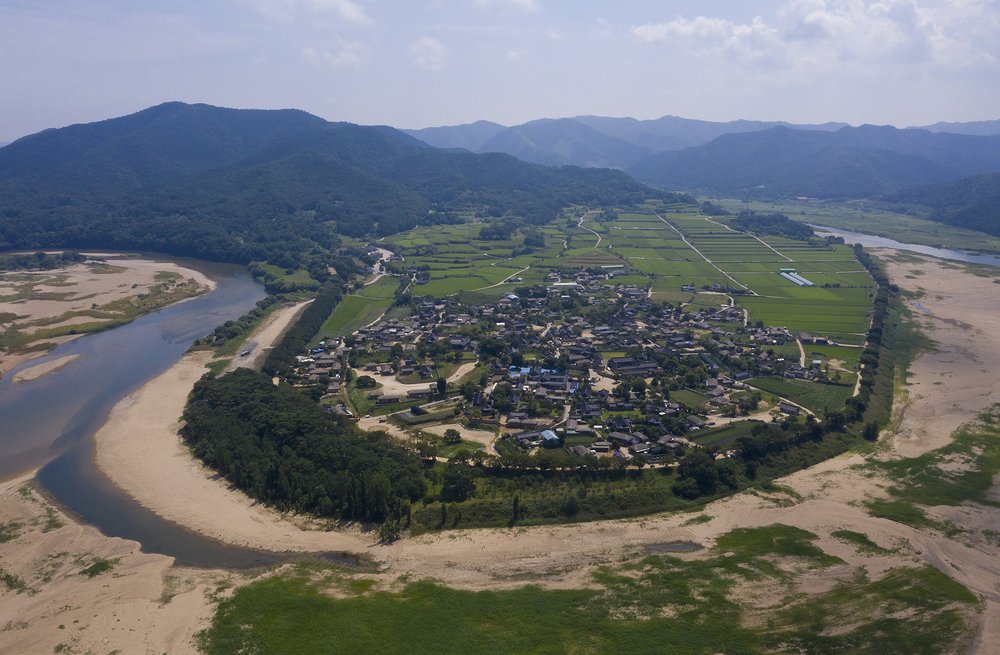
Why visit Andong?
Andong offers a slower and more traditional side of the country. Its best-known attraction is UNESCO-listed Hahoe Folk Village, but the wider region also includes historic Confucian academies, riverside walks, wooden architecture, local markets, and a distinctive food culture. The sights are spread out, so a little planning makes a large difference.
How many days do you need?
One long day is possible if you focus on Hahoe Folk Village and central Andong. Two days are strongly recommended for a more relaxed visit that also includes Dosan Seowon or Byeongsan Seowon and an evening walk at Wolyeonggyo Bridge.
Getting to Andong
KTX-Eum and other trains connect Seoul with Andong Station, while intercity buses serve Andong Bus Terminal. Travel times and departure points vary, so check the current schedule before leaving. From the station or terminal, local buses and taxis connect to downtown and the major attractions.
Getting around
Central Andong is manageable by local bus and taxi, but Hahoe Village and the seowons are outside the center. Public buses are economical but may run infrequently. Save the destination name in Korean, check the return timetable in advance, and allow extra time between rural attractions. A taxi can be worthwhile for two or more travelers.
Essential places
- Hahoe Folk Village: a preserved riverside village of tile-roofed houses, thatched homes, lanes, and living traditions.
- Buyongdae Cliff: the classic viewpoint across the river toward Hahoe Village.
- Byeongsan Seowon: a Confucian academy admired for its elegant pavilions and mountain setting.
- Dosan Seowon: an influential academy associated with scholar Yi Hwang.
- Wolyeonggyo Bridge: a scenic wooden footbridge that is especially attractive after dark.
- Andong Gu Market: a convenient place to try local dishes and observe everyday city life.

Hahoe Folk Village tips
Arrive early for quieter lanes and softer light. Wear comfortable shoes, respect private homes, and check the day’s schedule for mask-dance performances. If conditions and transport allow, combine the village with Buyongdae for the panoramic view. Do not rely on the final bus without checking its current departure time.

One-day itinerary
- Travel to Hahoe Folk Village early in the morning.
- Explore the lanes, traditional houses, and mask-culture exhibits.
- Visit Buyongdae or nearby Byeongsan Seowon if transport timing works.
- Return to central Andong for jjimdak at the market.
- Finish with an evening walk across Wolyeonggyo Bridge.
Two-day itinerary
Use day one for Hahoe Village, Buyongdae, and Byeongsan Seowon. On day two, visit Dosan Seowon, return to the city for the market or a museum, and spend the evening around Wolyeonggyo Bridge. This plan reduces rushing and gives each heritage site enough time.


What to eat
Andong jjimdak combines braised chicken, vegetables, glass noodles, and a savory-sweet soy-based sauce; portions are often designed for sharing. Heotjesabap is a ceremonial-style meal served with rice, vegetable side dishes, and grilled foods. Salted mackerel is another regional specialty. Ask about spice levels and portion sizes before ordering.
Where to stay
Stay near Andong Station, the bus terminal, or downtown for the easiest transport and dining access. A hanok stay near a heritage area can be memorable, but confirm bathroom arrangements, luggage access, check-in hours, and transportation before booking.
Best time to visit
Spring and autumn offer comfortable walking weather, while autumn foliage adds color to the villages and academies. Summer is hot and humid, and winter can be very cold. Festival periods create a lively atmosphere but also bring larger crowds and higher demand for rooms.
Practical tips
- Check rural bus times before entering an attraction.
- Carry water and wear shoes suitable for uneven village lanes.
- Use a Korean map application for local transport.
- Keep noise low and avoid entering private residences.
- Confirm opening hours, admission fees, and performance schedules on the day of travel.
Continue planning
Use our Beyond Seoul & Busan collection to discover more regional destinations, and review our South Korea travel tips before departure.