
Gyeongju rewards travelers who slow down. Once the capital of the Silla kingdom, the city combines royal tombs, palace ruins, Buddhist heritage, traditional neighborhoods, cafés, and cycling paths. This practical guide explains how to reach Gyeongju, choose where to stay, plan one or two days, and visit its essential sights.
Why visit Gyeongju?
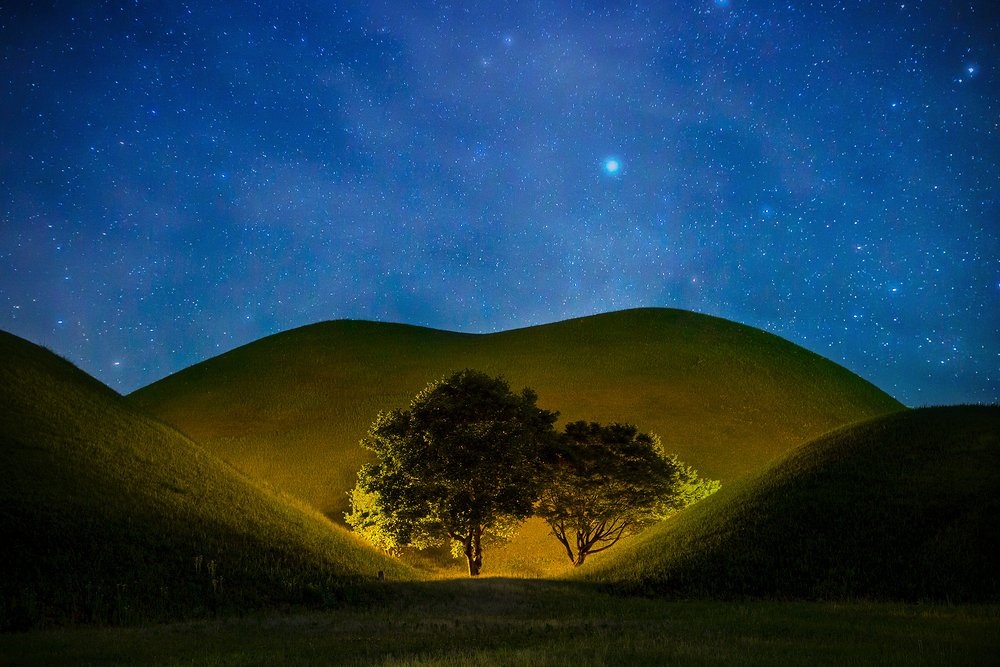
Many major historic sites sit within a few kilometers of one another, making central Gyeongju excellent for walking or cycling. A day can move from Silla royal tombs and Cheomseongdae to Woljeonggyo Bridge and Donggung Palace and Wolji Pond, with restaurants and cafés around Hwangnidan-gil in between.
How many days?
One full day covers the central heritage district. Two days are better if you want to add Bulguksa Temple and Seokguram Grotto, explore the National Museum carefully, and enjoy the illuminated evening sites without rushing.
Getting there and around
High-speed trains generally use Singyeongju Station outside the center; continue by bus or taxi. Intercity buses arrive closer to downtown. In the city, walk or rent a bicycle for the central sites. Use buses or taxis for Bulguksa, Seokguram, and Bomun. Check current schedules before departure.
Essential places
- Daereungwon: grass-covered Silla royal tombs near Hwangnidan-gil.
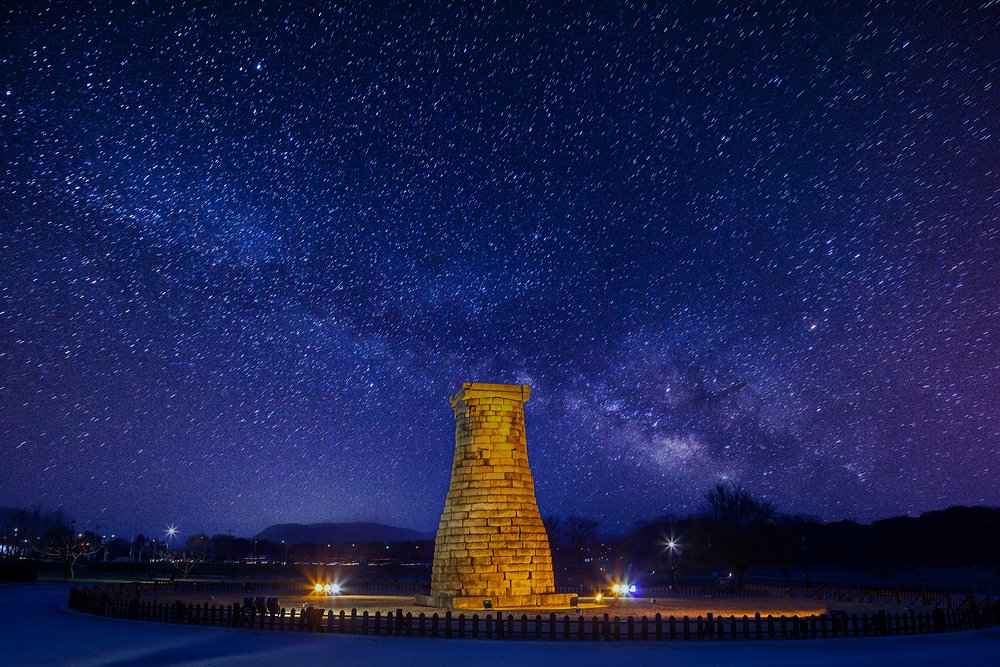
- Cheomseongdae and Wolseong: an ancient observatory surrounded by fields, woodland, and palace remains.
- Gyeongju National Museum: the best place to understand Silla crowns, Buddhist art, and archaeological finds.
- Woljeonggyo Bridge: attractive by day and especially atmospheric after illumination.
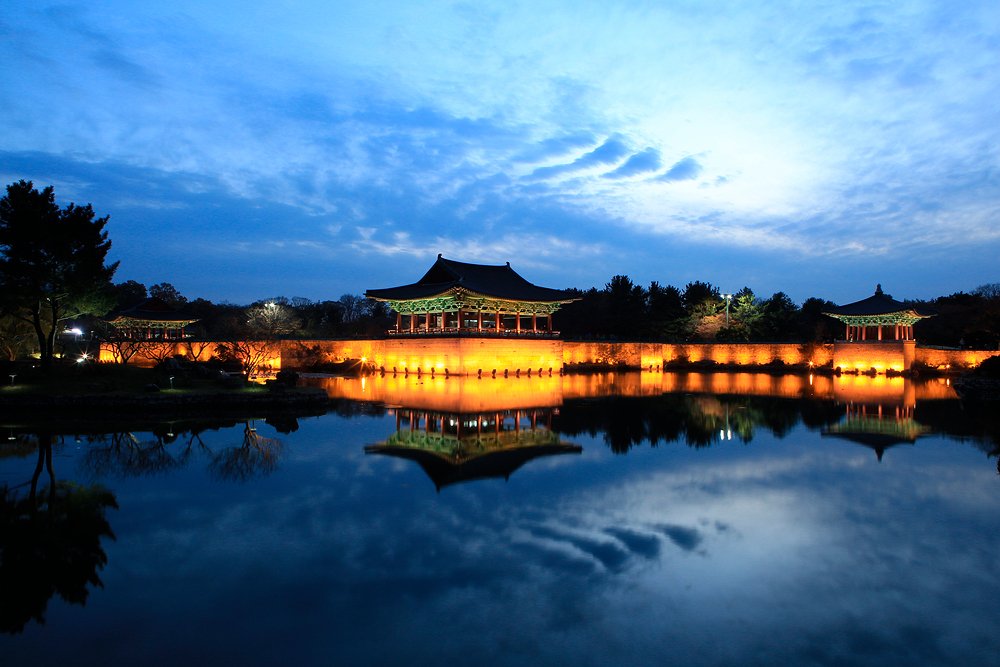
- Donggung Palace and Wolji Pond: a popular sunset and evening destination.
- Bulguksa and Seokguram: major Buddhist heritage sites outside downtown.
One-day itinerary
- Begin at Gyeongju National Museum.
- Walk through Wolseong to Cheomseongdae.
- Visit Daereungwon and eat near Hwangnidan-gil.
- Continue to Woljeonggyo Bridge.
- Finish at Donggung Palace and Wolji Pond after sunset.
Two-day itinerary
Follow the downtown route on day one. On day two, leave early for Bulguksa and Seokguram, then return through Bomun or spend extra time at the museum and Hwangnidan-gil.

What to eat
Try Hwangnam-ppang, a small pastry filled with sweet red bean paste. Local set meals are useful for sampling several side dishes, while traditional Gyeongju rice wine is an option for adults who drink alcohol.
Where to stay
Stay near the bus terminals or Hwangnidan-gil for walkable access to downtown sights, restaurants, and evening attractions. Bomun has larger hotels and resorts but normally requires more transportation.
Best time and practical tips
Spring and autumn provide comfortable walking weather but attract larger crowds. Summer is hot and humid; winter is quieter but cold. Carry water, use a Korean map application, check current admission hours, and never climb on tombs or protected ruins.

Official information
Schedules, fees, and transport routes can change. Confirm details through the official Gyeongju tourism website. Continue planning with our Beyond Seoul & Busan collection and South Korea travel tips.